
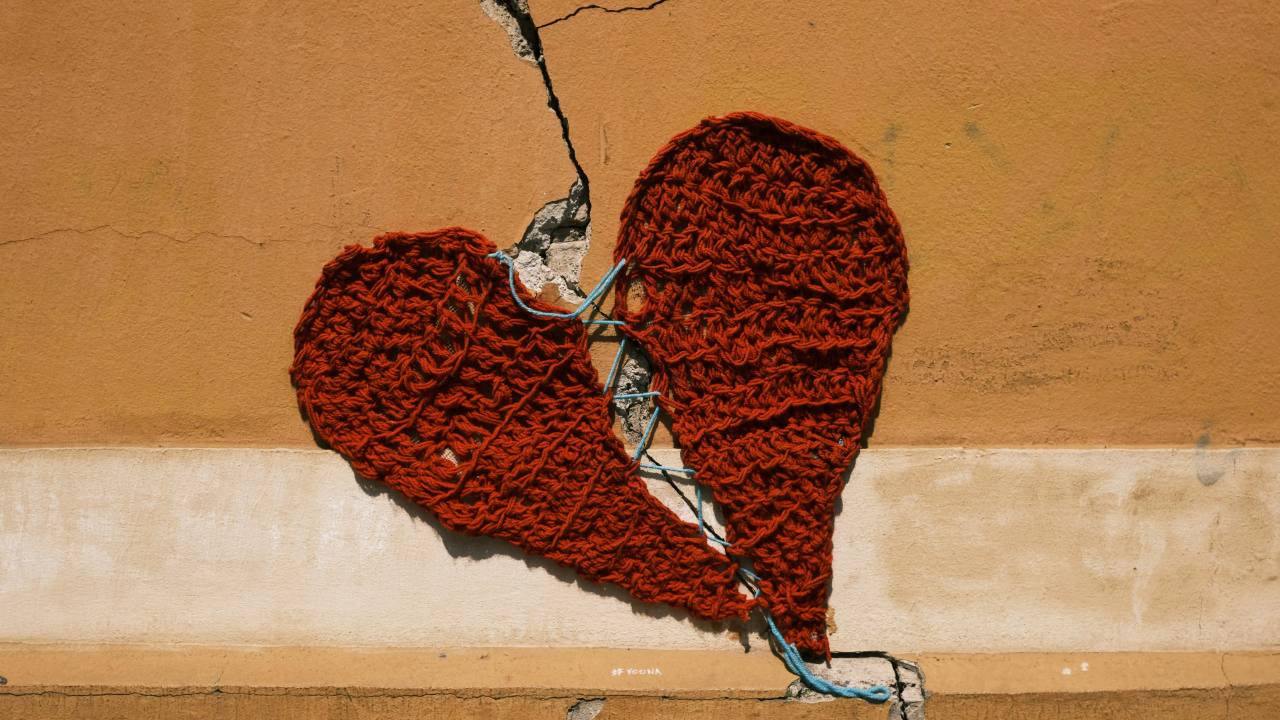
A Lighter Way 21: Forgive, Though I Cannot Forget
Oct 10, 2026“Forgive and forget,” I can still hear my mom saying.
For the umpteenth time, my sister took a piece of clothing from my closet, wore it, ruined it, and rehung it back to my closet, thinking I would not notice. Once again, money has gone missing from my small stash that I kept in my desk at home, where I lived with my parents and my sister.
Sigh. My anger and frustration increased with each incident.
As adults, the pattern continued with theft of property, lying, and false accusations regarding the treatment of my parents.
Forgive and forget.
Forgiveness is a tough thing. A Google search turned up the following on forgiveness: “Forgiveness is defined as the intentional choice to let go of resentment and anger, and the desire for vengeance toward someone who has caused you harm. Forgiveness can cultivate an attitude of compassion and understanding whilst providing yourself with emotional freedom. Forgiveness is not forgetting as the memory may remain, not excusing wrongdoing and still acknowledging harm, not reconciliation as you can forgive and not restore a relationship with someone, and not weakness as forgiveness requires emotional strength.”
In Matthew 18, when Peter asked Jesus how often we should forgive our neighbor, the answer was not seven times but “70 times seven.” If you do the math this equates to 490 times per person. However, the actual number is not the true calculation for forgiveness as we are asked to forgive endlessly and continuously.
Forgive and forget.
The Lord's Prayer tells us to “forgive us our trespasses as we forgive those who trespass against us.” Clearly, God asks us to forgive others as He forgives us. It is not a one-way street. God ties His forgiveness of us, knowing we are not perfect and we cannot expect others to be perfect either, to our willingness to forgive others.
God forgives our indiscretions and still loves us. We are expected to do the same for our fellow man and let the love from God flow through us to the ones we are forgiving. As we receive God's immense grace we must extend that grace to others.
Forgive and forget.
Forgiveness can be given, but on some occasions, you can never forget the circumstances and hurt. The emotional grip may loosen over time. You come to a quiet acceptance and realize that sometimes forgiveness is healthy, in that it awakens you to setting boundaries. For my sister and me, this is the current norm.
Healthy boundaries mean that I cannot forget that I, too, am a sinner in need of forgiveness. They mean not letting things fester without addressing them, and possibly seeking reconciliation, if possible. However, it does not mean that I should put myself in a position of vulnerability for the hurt to happen again. Sadly, it sometimes requires ending a relationship with someone who may at one time have had a prominent role in your life.
Forgive, but I cannot forget.
As adults, my sister and I are on decent terms, but sadly we have a distant relationship. It pains me, yet I have accepted the relationship for what it is. We will never have the close loving relationship like some women share with their sisters. I am envious at times, and it hurts. The road to forgiveness has been a long one, as there have been decades of deeply rooted hurts along the way. However, I can forgive and choose forgiveness towards her.
Sometimes the circumstances and the hurt can be so great that a person is unable to forgive. And that’s okay. It can be difficult to accept when someone does not believe they did anything wrong or caused any harm.
Per the author Dr Diane LeClerc: “There is no true forgiveness without repentance and confession on the abuser’s part.”
When Jesus hung on the cross, he cried out, “Father forgive them for they know not what they do.” He was asking God the Father to do the forgiving. Ultimately, all forgiveness comes through the Father, whether we forgive one another or not. And finally, forgiveness is for our own personal healing and health.
Tips for Practicing Forgiveness
- Acknowledge the pain and allow yourself to feel the hurt.
- Without judging, try to understand the other person's actions by putting yourself in their shoes, however, do not excuse the behavior.
- Decide to let go of the hurt and the control that the situation has a hold of over your life. Forgiveness is a conscious choice.
- Write down your feelings and share them with a trusted friend. Better yet write a letter to the offender and then discard or burn the letter.
- Remember that forgiveness is an ongoing process. Some hurts take much longer to work through than others.
- Realize you are also a sinner and God has forgiven you. Let God’s forgiveness of your sins flow through you to the other person.
- Just because you forgive someone does not mean that you can always forget and sometimes establishing boundaries with that person is necessary.
- Above all else, pray.
Blessing:
May your heart be light and the day clear when you arise. As you pray the Lord’s prayer, keep the ever-vigilant command to “forgive us our trespasses as we forgive those who trespass against us” in the forefront of your mind. When that person cuts you off in traffic or the cashier at Kroger is rude, remember your own sins that need forgiveness. May you easily overlook these transgressions and say to yourself, “Lord forgive them as you have forgiven me.”
May you be slow to anger.
May your heart be soft and glad.
May your day be filled with peace.
This twenty-first reflection is by Kathy Bodri, a graduate of WTC's Spiritual Direction program.
Stay Connected!
Updates and News sent directly to your inbox.
We hate SPAM. We will never sell your information, for any reason.
