
When a Symbol Touches a Wound: Holding Trauma Gently in Group Spaces
Jun 24, 2026I did not expect my favorite session in a three-day conference to be the “Collective Trauma” workshop.
Lord knows I’ve unintentionally been traumatized by taking a trauma workshop before, but what the heck. It’s an important topic, and maybe the extra training would at least show me what not to do.
One example: I once signed up for a workshop where the facilitator shared a dream involving rape, abuse, and other trauma within the first five minutes. Um, no thank you. I try to begin my own sessions as gently as possible and build slowly from there.
This workshop, on the other hand, was phenomenal. Spiritual Directors International (SDI) led an impressive conference, and Igal Harmelin approached the topic with remarkable care, nuance, and humility.
Given the safety of the space, I decided to share with those at the workshop a challenging experience I had as a facilitator offering group dreamwork at a retreat.
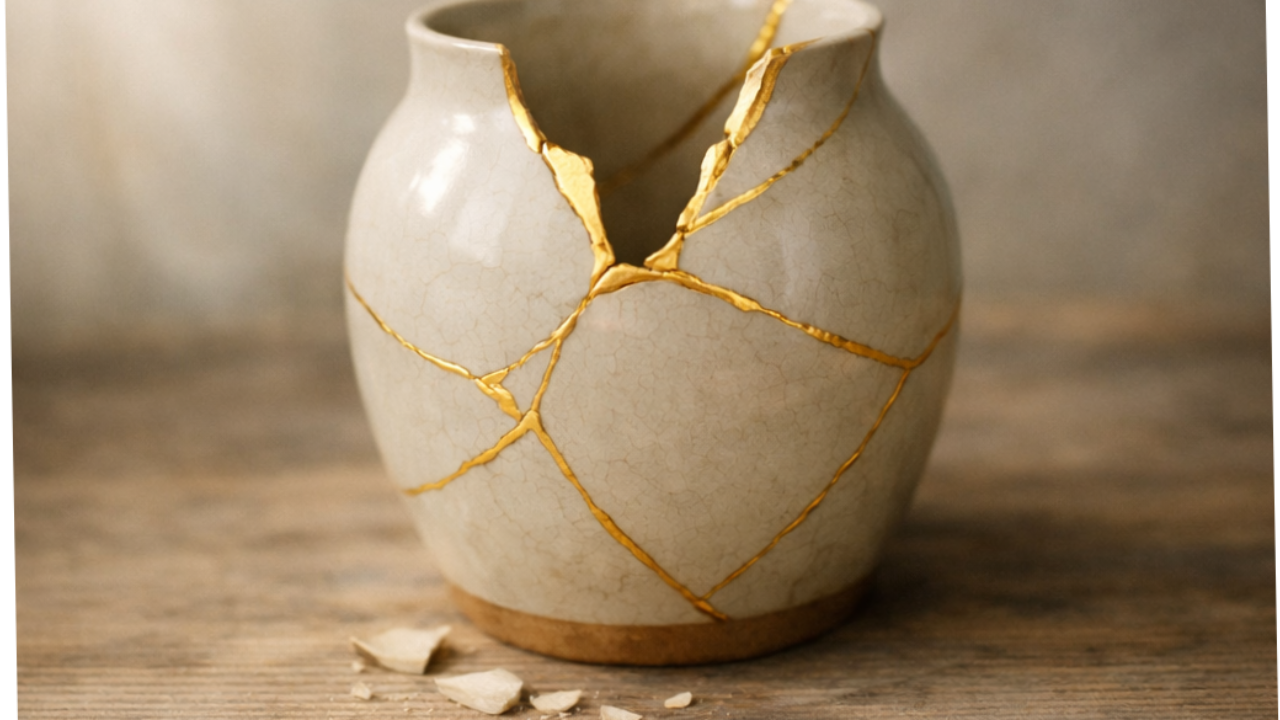
“I shared a dream of a shattered vase. It seemed simple enough: a symbol of something broken, something fragile. But as soon as I spoke it aloud, two people in the group immediately connected the image to their own experiences with an enraged alcoholic family member. The room shifted. Their bodies remembered something my words had unintentionally touched.”
Then another participant — a psychiatrist — asked a question that has stayed with me ever since:
“What responsibility do we have not to retraumatize people in workshop settings?”
“And so, I’ve been sitting with this: “How do we support people when trauma surfaces in a group, especially when the material arises symbolically rather than intentionally?”
Dreamwork has always felt like a tender place where the soul speaks in images rather than explanations. But during that session, I was reminded just how powerful symbols can be. A single image can bypass cognition entirely and touch the nervous system directly.
“What responsibility do we have not to retraumatize people in workshop settings?” was an honest, necessary question. And it opened something in me.
Rabbi Igal Harmelin responded:
“We cannot avoid traumatizing people. We live in the structure of trauma. We cannot help being traumatized by our parents or traumatizing our children. Human relationships are complex.”
We are imperfect people. We say things we regret. We may say something, and another person reads something into it that we did not intend. Sometimes we do it unintentionally. Other times it won’t be our fault.
“We all do our best.”
A question we could ask is, “What kind of structure can we offer that supports people when trauma arises?”
The heart of collective trauma is the recognition that our stories are not isolated. We are never alone in our trauma. They echo. They resonate. They awaken to one another. A single image can ripple through a room and touch wounds we didn’t know were still tender.
As facilitators, spiritual directors, and companions on the path, our task is not to prevent every moment of activation. That’s impossible.
Instead, our work is to cultivate attentive presence, ethical holding, and gentle containment. We notice when the room shifts, we honor what arises, and we offer grounding and choice.
Trauma may surface unintentionally, but our response can be intentional, compassionate, and wise.
We remember that even in our most carefully crafted spaces, the human heart remains beautifully, vulnerably alive, and deserving of care.
Creating a safe space is key.
Or maybe, as my mentor Kasey Hitt asks:
What does a structure for repair look like when rupture inevitably occurs?
Or:
How do we create spaces that not only hold activation tenderly but also support relational repair when harm occurs?
I remember one retreat in particular where repair came through something simple but courageous: an apology, followed by an invitation for everyone to share around the question that had surfaced. If I remember correctly, it was difficult and vulnerable for many of us, yet it opened into a meaningful conversation where the group stayed present together rather than shutting the discomfort down.
That experience reminded me that repair does not erase rupture, but it can transform isolation into accompaniment. Trauma gives us the sense we are alone in our suffering, yet sharing the burden helps the healing process.
The heart of collective trauma is the recognition that our stories are never entirely isolated. Trauma echoes. It resonates. It awakens in relationship. A single symbol can ripple through a room and touch wounds we did not know were still tender.
As facilitators, spiritual directors, and companions on the path, our task is not to prevent every moment of activation. That is impossible.
Instead, our work is to cultivate attentive presence, ethical holding, and compassionate response.
We notice when the room shifts.
We honor what arises without demanding disclosure.
We offer grounding, choice, pacing, and care.
And when rupture occurs, we resist defensiveness. We stay curious. We listen. We enable repairs.
Trauma may surface unintentionally, but our response can still be intentional, compassionate, and wise.
Even in our most carefully crafted spaces, the human heart remains beautifully, vulnerably alive, and deserving of our gentle care.
Katie Rea, Writing Coach and Graduate of WTC's School of Spiritual Direction
Stay Connected!
Updates and News sent directly to your inbox.
We hate SPAM. We will never sell your information, for any reason.
